A Brave and Startling Truth — The Destination We're All Headed To Whether We Like It Or Not
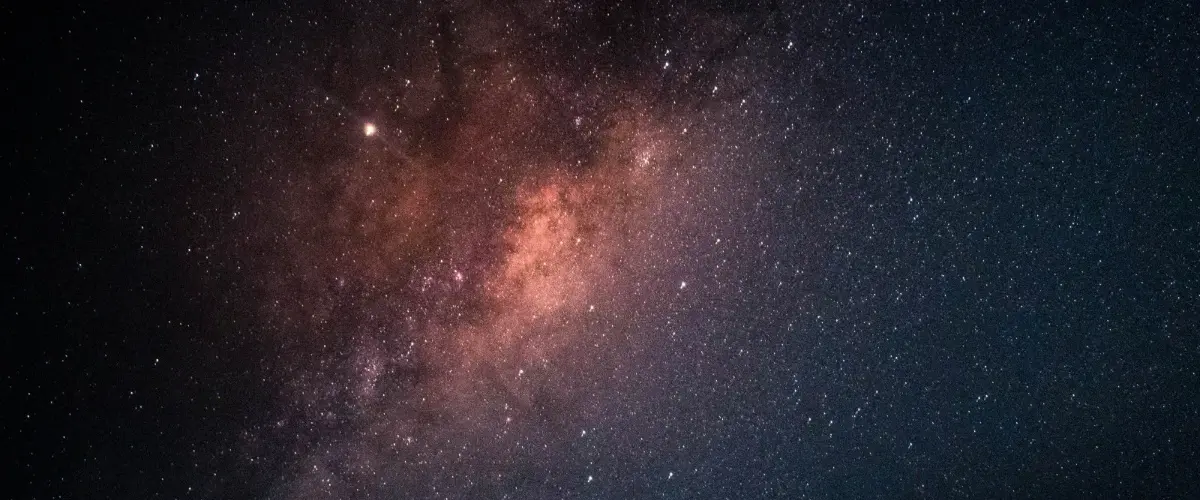
The first thing Angelou does is make you feel small. Not in a cruel way — in a clarifying way. She opens by placing all of humanity on a tiny rock, drifting through a universe that has no particular interest in us. The stars are "aloof." The suns are "indifferent." Space is "casual." None of it cares that we're here.This is a deliberate philosophical move. Before she can talk about what humanity is capable of — good or bad — she has to establish what humanity actually is: a species that exists almost accidentally, on a planet that is, by cosmic standards, barely worth noticing.
It's the same intellectual territory Carl Sagan was working in when he described Earth as a "pale blue dot." Angelou was writing this around the same time, and the influence shows — she even uses the phrase "mote of matter" later in the poem, which mirrors Sagan's language almost exactly.
Why does this framing matter? Because everything she says after it — all the violence, all the potential, all the urgency — lands differently when you've first accepted how improbable our existence is. The smallness isn't pessimism. It's the ground she's building on.
Thumbnail Photo: National Endowment for the Humanities, USA